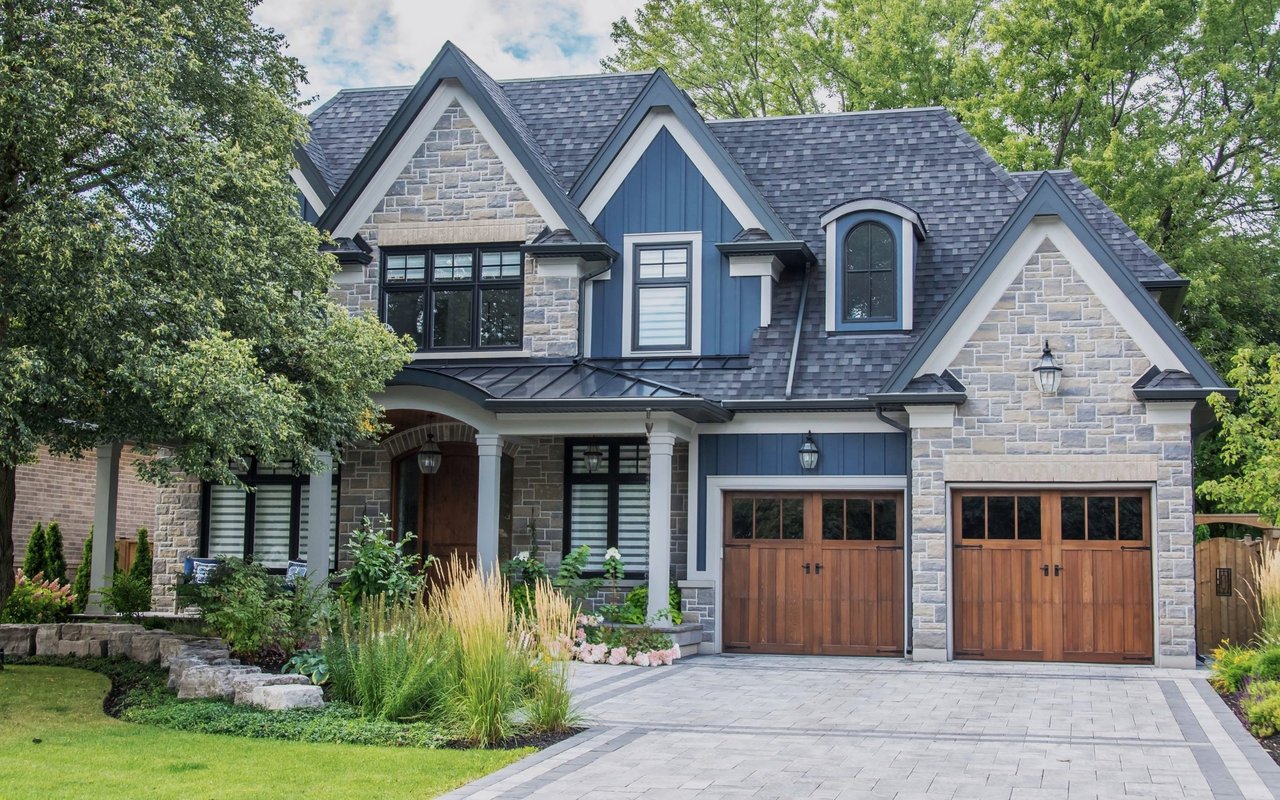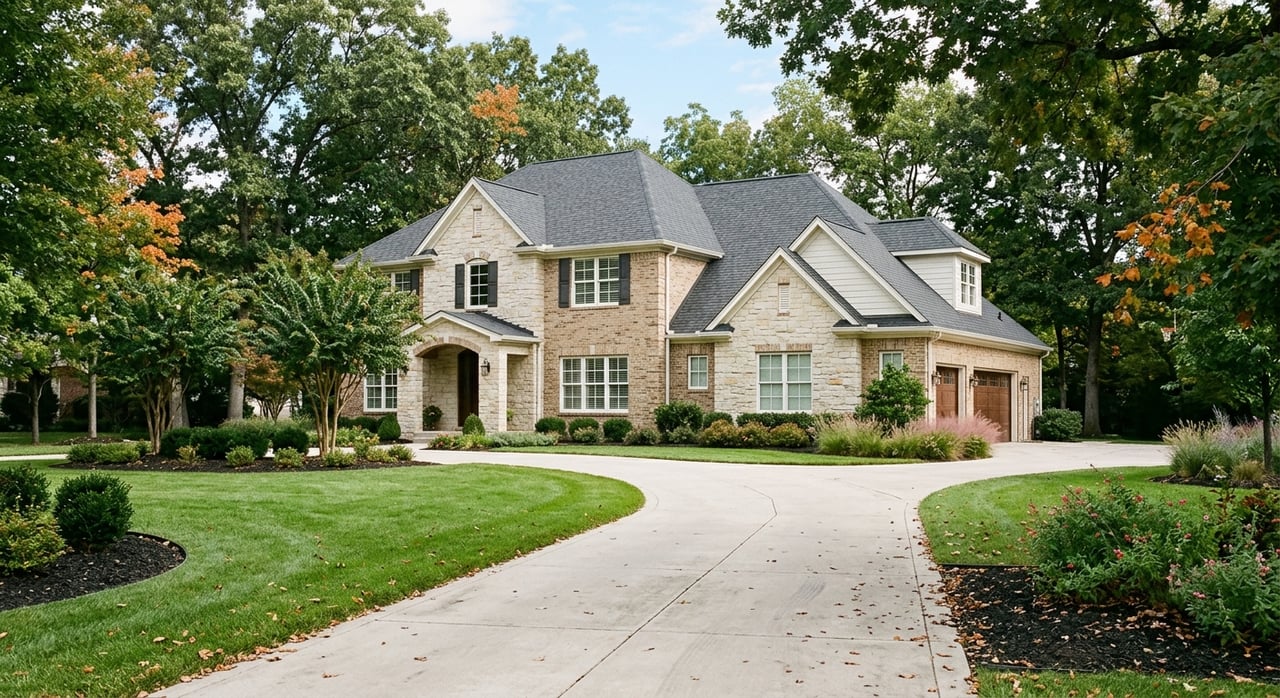
Looking for space in North Texas without feeling cut off from everyday convenience? Copper Canyon stands out because it was built around larger residential tracts, not standard subdivision density. If you are considering acreage or estate property here, it helps to understand what makes this market different, what tradeoffs come with that lifestyle, and what to review before you buy. Let’s dive in.
Why Copper Canyon Feels Different
Copper Canyon is a small town in Denton County with about 2,514 residents across 4.7 square miles. That works out to roughly 540 people per square mile, which is far less dense than a typical suburban neighborhood. The area also shows signs of being an established, higher-income market, with Census Reporter listing a median household income of $155,625 and a median owner-occupied home value of $744,300.
Current market-facing pricing points even higher. Zillow places the average home value at $1,103,645, Redfin reported a median sale price of about $1.1 million in March 2026, and Realtor.com reported a median sale price of $1.38 million through February 2026. The practical takeaway is simple: Copper Canyon is best understood as a premium-price acreage market.
Acreage Zoning Shapes the Market
One of the biggest reasons Copper Canyon appeals to acreage buyers is its zoning framework. The town includes RE10 zoning for minimum 10-acre lots and RE5 for minimum 5-acre lots. It also has R2 and R1 districts designed for 2-acre and 1-acre lots, plus the 1-acre R1-A district in the Estates of Copper Canyon subdivision.
That matters because zoning helps preserve the large-lot character buyers are often searching for. In many communities, a large lot can still sit near much denser development patterns. In Copper Canyon, the code itself supports an estate-style layout.
Room for Estate Improvements
Acreage is not just about a bigger yard. It is often about flexibility for the way you want to use the property over time. Copper Canyon’s code allows more accessory-building flexibility as lot size increases.
On lots under 2 acres, the rules are tighter. On 2- to under 5-acre lots, more accessory buildings are allowed. On 5- to under 10-acre lots, the allowance increases again, and on lots of 10 acres or more, accessory buildings are not limited in number.
For buyers who want a detached garage, workshop, barn, pool cabana, or similar improvement, that is an important detail. At the same time, the town states that primary and accessory structures together may not cover more than 25% of the total lot area in any zoning district. So while larger parcels offer more flexibility, they are still governed by clear site rules.
Estate Living Comes With Review
Large parcels can feel private, but they are not unregulated. Copper Canyon’s building permit handbook notes that permit review can include new homes, remodels, accessory buildings, and OSSF or septic work. Plot plans must show easements, dimensions, setbacks, and septic details.
The handbook also notes that secondary structures are generally expected to use materials similar to the main house, unless they are farming or ranching structures. For you as a buyer, that means future plans for the property should be reviewed early, not after closing. If you are buying acreage for a specific vision, due diligence matters.
Access and Platting Need a Closer Look
In a typical subdivision purchase, road access is usually straightforward. Acreage property can be different. Copper Canyon’s subdivision ordinance says platted lots must have frontage on a public street, a private driveway to a public street, or a private street built to town standards.
The ordinance also states that certain unplatted property of 5 acres or more is not subject to the platting requirement for some driveway-access situations. That does not mean access issues disappear. It means acreage transactions may follow a different review path than a standard neighborhood home purchase.
This is one of the most important practical points for buyers. Before you fall in love with a tract, confirm how access works today and whether your intended use lines up with town requirements.
Utilities Are Parcel Specific
Copper Canyon does not follow a one-size-fits-all utility model. The town lists CoServ for electric service, Cross Timbers Water Supply for water, Republic Waste for trash, Frontier for telephone and internet, TXU Gas for gas, Diversified Technology for sewer, and a separate septic contact.
That mix is part of what gives acreage living its custom feel, but it also means you should verify utility service on each property. Two homes in the same town can have different infrastructure setups. On larger tracts, that detail can affect your budget, upkeep, and future plans.
Septic Ownership Is Part of the Lifestyle
If a property uses an on-site sewage facility, maintenance becomes part of ownership. The Texas Commission on Environmental Quality says OSSF systems must be designed using a site evaluation. It also recommends pumping conventional septic tanks every three to five years, and notes that some aerobic systems require regular inspection by a licensed maintenance company.
That is not a reason to avoid acreage. It is simply part of the tradeoff. You gain space, privacy, and a more customized property setup, but you also take on more parcel-specific maintenance than you would with a typical municipal system.
Privacy Still Comes With Standards
A common misconception about acreage is that anything goes once you have enough land. Copper Canyon’s code-enforcement page shows that the town still addresses nuisance issues such as high weeds and grass, junk vehicles, loud noise, and buildings in disrepair.
That balance is part of the appeal for many buyers. You can enjoy a more private setting while still living in a community with upkeep standards. In other words, Copper Canyon offers breathing room, but not a free-for-all.
Rural Feel, Practical Convenience
Copper Canyon’s town page highlights a rural and outdoor lifestyle. It references Pilot Knoll Park for camping, picnics, and boating, along with maintained horse trails for equestrian riders. Those details help explain why the area appeals to buyers who want more than just square footage.
At the same time, the town is not isolated. Its history page references long-standing travel routes connecting Denton, Lewisville, Dallas, and Flower Mound. That broader context matters if you want acreage living without giving up connection to the larger Denton County and DFW network.
What Buyers Should Weigh Before Buying
The lifestyle benefits in Copper Canyon are real, but so are the practical checks. If you are comparing acreage properties here, focus on the details that shape daily ownership.
Key questions to ask
- What is the property’s zoning district, and what is the minimum lot framework?
- How many accessory structures are allowed for this parcel size?
- What percentage of lot coverage remains if you plan to add improvements?
- Does the property have public-street frontage, private-drive access, or another approved access setup?
- Is the parcel platted, and does that affect future plans?
- Which utilities serve the property today?
- Is there a septic or OSSF system, and what maintenance requirements apply?
- Are there any permit-related limits that could affect additions or renovations?
These are not small details. On acreage property, they often shape long-term enjoyment and value just as much as the house itself.
Why Scarcity Supports Long-Term Appeal
Copper Canyon’s long-term value story comes down to supply and character. The town is compact, its zoning is intentionally structured around larger lots, and current market pricing already reflects premium positioning. That combination creates a level of scarcity that buyers do not typically find in more standard suburban housing stock.
For many move-up buyers, this makes Copper Canyon less about chasing a bigger house and more about securing a different kind of ownership experience. You are buying privacy, usable land, and room for estate-style improvements within a town that is set up to preserve that identity.
The Bottom Line on Copper Canyon Estate Living
Copper Canyon can be a strong fit if you want space, privacy, and a more flexible property footprint in Denton County. It offers a rural feel, larger-lot zoning, and room for estate-style features, while still keeping you connected to the broader area. The tradeoff is that you need to look closely at zoning, access, utilities, septic, and permitting before you buy.
That practical balance is where smart acreage decisions get made. If you want clear guidance on land, large-lot homes, or the property details that can affect value over time, Annette Power brings a pragmatic, boots-on-the-ground approach to helping you evaluate the opportunity.
FAQs
What makes Copper Canyon different from a typical suburban neighborhood?
- Copper Canyon is built around larger residential tracts, with zoning districts that include 1-acre, 2-acre, 5-acre, and 10-acre minimum lot structures, which gives it a more estate-style character than a standard subdivision market.
How expensive is acreage living in Copper Canyon?
- Recent pricing sources place Copper Canyon in a premium market range, with reported values and sale prices clustering roughly in the low-to-mid $1 millions.
What should buyers check about zoning in Copper Canyon?
- You should confirm the zoning district, minimum lot structure, accessory-building allowances, and the 25% maximum lot-coverage rule for primary and accessory structures combined.
Do Copper Canyon properties always have the same utility setup?
- No. Utility services can vary by parcel, so buyers should confirm electric, water, trash, internet, gas, sewer, and whether septic service is part of the property setup.
What should buyers know about septic systems in Copper Canyon?
- If a property uses an OSSF or septic system, you should expect parcel-specific maintenance, including regular pumping for conventional systems and possible inspection requirements for some aerobic systems.
Is Copper Canyon private but still regulated?
- Yes. While the town offers space and privacy, it also enforces local standards related to issues such as high weeds and grass, junk vehicles, loud noise, and buildings in disrepair.