If you are looking at Copper Canyon as a rental play, the first question is not how much rent you can charge. It is whether the property can carry its costs in a tiny, high-value market with limited rental inventory and a meaningful tax burden. That can feel tricky, especially when broad averages do not tell the full story. In this guide, you will learn how to think through rental property potential in Copper Canyon with a practical, investor-minded framework grounded in local data. Let’s dive in.
Copper Canyon at a Glance
Copper Canyon is a very small Denton County town with a mostly residential footprint, a rural feel, and limited commercial development. According to the town’s 2025 assessment, it covers about 4.25 square miles and has roughly 1,731 residents.
That small size matters when you evaluate rental property potential. In a market like this, a handful of listings can skew the numbers fast. Instead of relying on citywide averages alone, you will usually need to underwrite each property on its own merits, including lot type, utility setup, tax exposure, and location within the town.
Why Copper Canyon Is Different
Copper Canyon does not behave like a typical suburban rental market. Denton County is large and growing, with the U.S. Census Bureau estimating more than 1.06 million residents in 2025, a median household income of $111,498, a median gross rent of $1,728, and a median owner-occupied home value of $437,200.
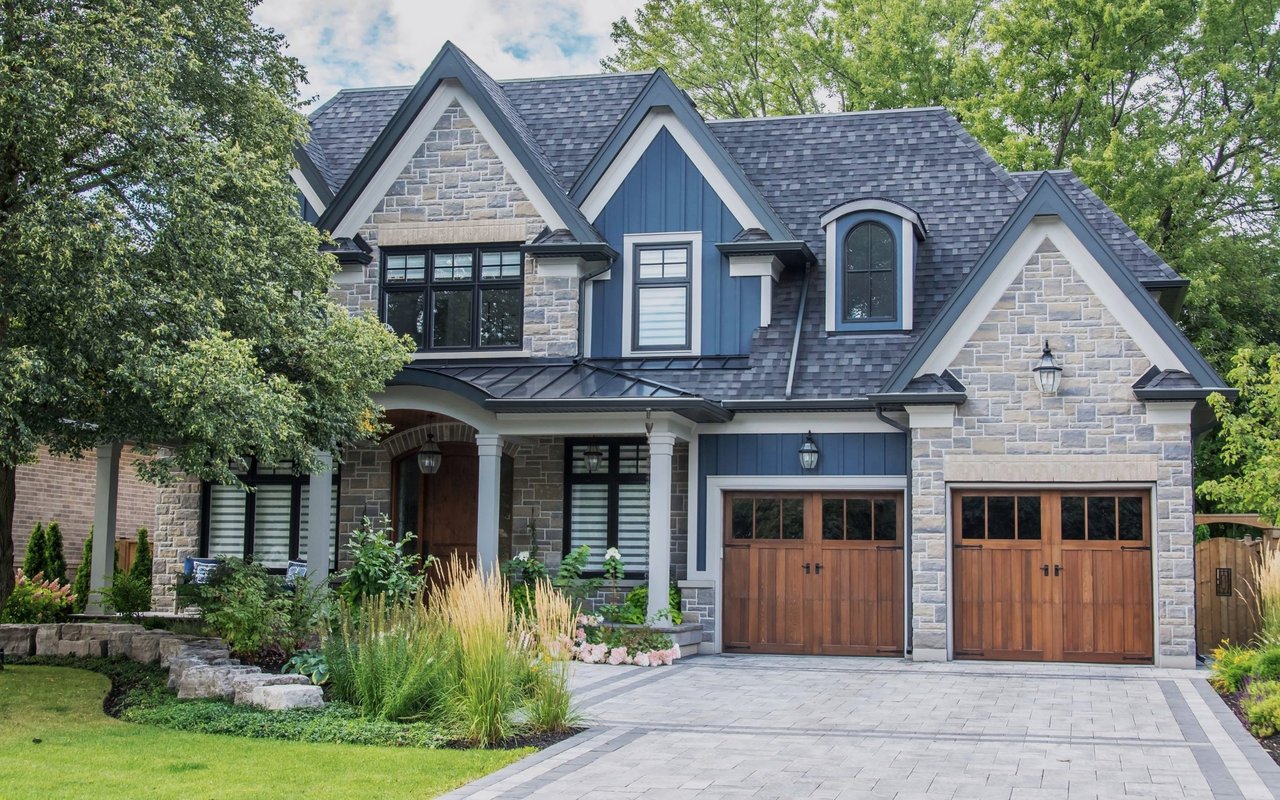
Copper Canyon sits well above that countywide home value profile. Current home value and sale price signals point to a million-dollar-plus market, which makes it more of a premium niche than a broad-based rental market. For you as an investor, that usually means returns may lean more on long-term holding potential and scarcity than on strong monthly cash flow.
Rent Potential Looks Thin and Noisy
One of the biggest challenges in Copper Canyon is the lack of rental inventory. Zillow’s rental market data for Copper Canyon currently shows only two rentals available, with an average asking rent of $2,600. Zillow also shows a 3-bedroom average of $2,600 and a 4-bedroom average of $5,150.
Those numbers are interesting, but they are not enough to build a confident rent forecast by themselves. With so few active listings, one unusually large or upgraded property can distort the picture. That is why nearby submarket comparisons are often more useful than a single portal average when you are estimating income.
Sale Prices Set a High Bar
On the resale side, Copper Canyon homes are expensive and can take time to move. Zillow’s home value data puts the average home value at $1,051,375, while the research also notes Redfin’s January 2026 median sale price at $1.5 million and Realtor.com’s median home price at $1.388 million through December 2025.
What does that mean for you? The acquisition basis can be high relative to likely rent. In simple terms, you may be buying into a strong asset class, but not necessarily a high-yield one.
Gross Yield Is a Warning Sign
Using Zillow’s average rent and average home value, the rough gross yield comes out to about 3.0% before expenses. That is a very rough estimate, but it is still useful because it highlights the main underwriting risk. In Copper Canyon, a property that looks fine at first glance may not pencil out once you add taxes, insurance, maintenance, vacancy, and repair reserves.
This is why you should treat gross rent as the start of the analysis, not the conclusion. In a premium, low-inventory market, preserving equity and managing downside often matter more than chasing headline rent numbers.
Property Taxes Need to Come First
If you evaluate only the purchase price and rent estimate, you can miss the biggest expense line. Texas property tax is locally assessed, and in Copper Canyon the combined burden can be significant.
Based on the research report, Copper Canyon’s 2025 town tax rate is $0.265990 per $100 of value, Denton County’s FY 2025-26 rate is $0.185938, Lewisville ISD adopted $1.1178 for 2025-26, and Denton ISD budget materials show a total tax rate of $1.1174. Together, that puts the base tax load at roughly 1.57% of taxable value before any special districts or other factors.
On a $1 million taxable value, that is about $15,700 per year. And because Texas homestead exemptions generally require the home to be your principal residence, a true investment rental usually does not qualify. That is a major reason to model taxes first and stress-test the numbers early.
Utilities and Septic Can Change the Math
In Copper Canyon, utility setup is not always as simple as it is in a standard suburban subdivision. The town’s utilities page lists providers and services including Co-Serv electric, Cross Timbers Water Supply, town sewer resources, septic service contacts, Frontier internet and telephone, TXU Gas, and Republic Services for trash.
For investors, the bigger point is that some homes may involve septic systems or other utility features that add maintenance and service costs. Those are not minor details. They can affect your repair budget, tenant expectations, and the speed and cost of future improvements.
Permits and Compliance Matter More Here
If you plan to renovate, update systems, or make additions, local permitting deserves close attention. The town’s building inspections guidance says permits are required before construction, inspections enforce multiple building trades, and contractors must register annually before performing work in town.
For septic and on-site sewage facilities, the town’s materials say permits are required for new construction and substantial remodels, and site evaluations must be handled by a Professional Engineer or Registered Sanitarian. You can review more on the town’s septic requirements. If you skip these details in your budget, your rehab timeline and total project cost can drift quickly.
Code Enforcement Affects Holding Costs
Long-term rentals also need to stay compliant during the hold period. Copper Canyon’s code enforcement information notes that the town addresses issues such as overgrown weeds, junk vehicles, loud noise, and properties in disrepair.
That matters because deferred maintenance is not just a cosmetic problem. In a town with active code enforcement, neglected exterior conditions can create real operational headaches and added expense. If you are underwriting a property with acreage, older systems, or visible wear, build in realistic upkeep from day one.
Use a Parcel-by-Parcel Approach
Copper Canyon is not the kind of market where broad averages will do the heavy lifting for you. The town’s public materials note that it lies within both Lewisville ISD and Denton ISD, which means a property’s specific location can influence taxes and how you compare it to other homes. Public planning materials also suggest that HOA rules or deed restrictions should be confirmed at the parcel level rather than assumed townwide.
In practice, that means your underwriting should start with the exact address. You will want to confirm the tax stack, utility type, any septic considerations, and any recorded subdivision or deed restrictions tied to that parcel.
A Simple Rental Underwriting Framework
If you are evaluating a possible purchase in Copper Canyon, this checklist can help you stay grounded:
- Confirm the parcel’s district and tax stack first. The property may fall within Lewisville ISD or Denton ISD, and the tax load can materially affect returns.
- Use nearby rent comps when local inventory is too thin. With only a small number of active rentals, direct Copper Canyon comps may not be enough.
- Budget for septic, permits, and contractor registration. These costs can be easy to overlook and expensive to fix later.
- Stress-test your exit timeline. The research report notes Redfin’s typical 63-day market time, which is a useful reminder that resale liquidity may be slower than in a more active submarket.
- Treat appreciation and scarcity as part of the story. In a market like this, your return may depend more on long-term asset quality than near-term cash flow.
Is Copper Canyon a Good Rental Market?
The honest answer is that it depends on your strategy. If you want strong monthly cash flow from a standard single-family rental, Copper Canyon may be a tough market to force into that box. High values, limited rental inventory, and property taxes can make the numbers tight.
If you are comfortable with a selective, long-term hold in a scarce, high-value residential niche, the story may look different. Copper Canyon appears better suited to patient investors who value location, land scarcity, and asset quality, and who underwrite conservatively from the start.
That is where practical experience matters. When you are sorting through taxes, utility setups, renovation scope, and realistic rent expectations, clear operator-style analysis can help you avoid expensive assumptions. If you want help evaluating a specific property or pressure-testing the numbers, Annette Power brings a hands-on investor mindset to the process and can help you make a more confident decision.
FAQs
What makes rental analysis in Copper Canyon different from other Denton County markets?
- Copper Canyon is a very small, primarily residential town with limited rental inventory, so property-specific details like tax load, utility setup, and parcel location matter more than broad market averages.
How much rent can a rental property in Copper Canyon command?
- Current Zillow data in the research report shows very limited inventory, with an average asking rent of $2,600, but that small sample means you should also review nearby submarket comps before setting expectations.
Are property taxes high for rental property in Copper Canyon?
- They can be significant, with the research report estimating a base tax load of about 1.57% of taxable value before any special districts or other factors.
Do Copper Canyon rental homes need septic and permit review?
- Yes, some properties may have septic-related costs, and the town requires permits for certain work, with contractor registration and inspection rules that should be reviewed before purchase or renovation.
Is Copper Canyon better for cash flow or long-term holding?
- Based on the research report, Copper Canyon appears more aligned with selective long-term holding potential than with strong cash-flow performance from typical single-family rentals.